
Microcement for Walls: Why It’s the Smart Choice for Designers and Contractors
Introduction: The Growing Demand for Microcement Wall Finishes
In the global coatings and construction market, microcement has evolved from a niche decorative trend into a mainstream specification for both residential and commercial wall surfaces. Architects, interior designers, and contractors are increasingly turning to microcement for walls to achieve seamless, industrial-chic aesthetics without the weight or thickness of traditional cement or stone veneers. However, sourcing the right microcement system—especially for cross-border procurement—remains a challenge. Many overseas buyers struggle with inconsistent product quality,complex application requirements, and a lack of supplier transparency. This article provides a practical, business-oriented comparison of microcement for wall applications, helping distributors, contractors, and developers make informed purchasing and specification decisions.
Core Content: Understanding Microcement for Wall Specifications
Microcement for walls is not a one-size-fits-all product. Its performance varies significantly based on binder formulation, aggregate particle size, and the curing process. For wall applications specifically, three key performance factors matter: adhesion to vertical substrates, flexibility to accommodate minor substrate movement, and the ability to achieve a uniform decorative finish. Unlike microcement for floors, wall-grade microcement must be lightweight and thin-layered (typically 1–3 mm total build) while maintaining strong bond strength to substrates like plasterboard, tile, or existing paint.
For contractors handling renovation projects in hotels or residential towers, the ability to apply microcement directly over existing wall tiles without demolition is a major time and cost saver. This requires a product with high adhesion modifiers and a compatible primer system. For designers, the microcement must offer a wide range of pigmentation and aggregate textures—from smooth matte to slightly textured—to match diverse interior styles from minimalist lofts to warm Mediterranean villas.
For distributors and developers, the critical consideration is supply chain reliability. Many low-cost microcements from certain regions suffer from batch-to-batch color variation or poor long-term UV stability when used on exterior walls. A trustworthy supplier should provide consistent raw material sourcing, factory batch testing, and full certification for VOC emissions and fire resistance—especially important for commercial and public building projects.
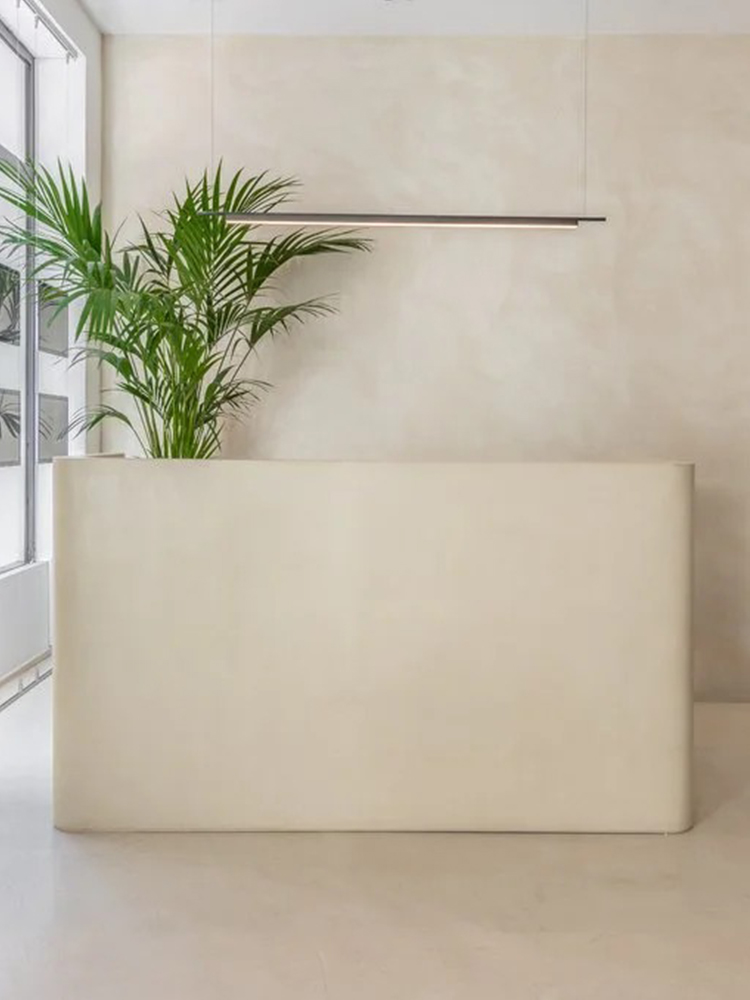
Comparative Analysis: Microcement for Walls vs. Alternative Wall Finishes
To help specifiers and buyers make confident decisions, the table below compares microcement for walls with three common alternatives used in international markets: traditional cement plaster, decorative wall paint, and porcelain stoneware tiles.
This comparison clearly shows that microcement for walls offers the best balance of seamless aesthetics, thin application, and renovation-friendly properties—especially for projects where space optimization and fast turnaround are priorities.
Key Scenarios for Microcement Wall Application in Global Projects
1. Hotel and Resort Renovations
Hotel chains in the Middle East and Southeast Asia are increasingly using microcement for walls in guest rooms and lobby areas to achieve a modern, continuous look. The ability to apply over old wall tiles reduces demolition waste and shortens room downtime, which directly impacts revenue per available room. Suppliers who offer a complete wall microcement system—including primer, base coat, decorative finish, and sealers—help contractors avoid compatibility issues.
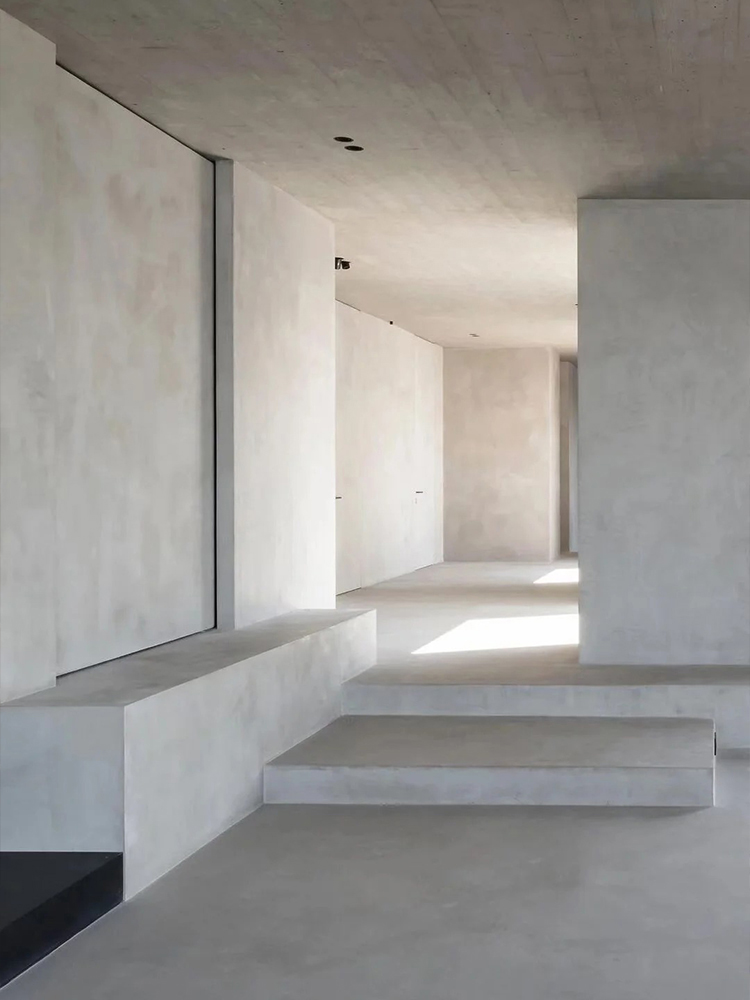
2. High-End Residential by Real Estate Developers
In high-end residential developments in Europe and the Americas, microcement walls are specified for feature walls and wet areas. Developers value the product’s durability and minimal maintenance, especially when combined with a waterproof sealer. A reliable supplier that provides technical support for color matching and application training reduces the risk of project delays.
3. Commercial Kitchen and Bathroom Fit-Outs
For restaurants and commercial kitchens, microcement for walls offers a hygienic, seamless surface that is easier to clean than tiled surfaces (no grout lines to trap bacteria). Contractors prefer microcement because it can be applied quickly, and the thin layer does not affect existing plumbing or electrical layouts.
Summary: Making the Right Choice for Your Wall Coating Project
Microcement for walls is not a commodity product—it requires careful selection based on project type, substrate condition, and desired finish. For overseas buyers, the best approach is to partner with a manufacturer who offers a full-system solution (primer, microcement base, finishing topcoat) along with transparent technical documentation and export support. This reduces the risk of on-site failures and ensures that the final wall surface meets both aesthetic and performance expectations.
Why Choose THE AIKE for Your Microcement Wall Project
At THE AIKE Paint, we understand that specifying microcement for walls involves more than just choosing a decorative finish—it’s about ensuring consistent quality, reliable supply, and expert guidance throughout the project lifecycle. Here’s why leading contractors, designers, and distributors trust us:
Full-System Microcement for Walls – Our microcement range includes compatible primers, base coats, decorative finishes, and protective sealers designed specifically for vertical wall applications. This ensures adhesion, crack resistance, and consistent color across all surfaces.
Global Export Expertise with Certifications – With exports to six continents, we provide full trade documentation, VOC compliance, and fire resistance certifications, making it easier for you to meet local building codes and green building standards.
Technical Empowerment for Contractors – Our senior team, with over 20 years of coatings experience, offers on-site construction guidance, spray and trowel training, and troubleshooting support—helping your team apply microcement for walls efficiently and correctly, reducing waste and rework.
Cost-Effective Without Compromising Quality – By combining reliable quality with reasonable pricing, we help distributors and contractors protect their profit margins while delivering premium wall finishes that satisfy end clients.
Get your exclusive microcement wall sample kit and full technical specification today. Contact us now for a free consultation and project quotation.
“ Contact AIKE Team ”
__________
在线留言
Name*
E-mail*
Country*
Application Areas*
Tel / WhatsApp
Requirement
Business Supervisor:Mr. Bin Zhu


Social media account


