
Microcement Backsplash: A Durable, Seamless Upgrade for Modern Kitchens and Commercial Spaces
Introduction: Why Microcement is Redefining the Backsplash Standard
For kitchen designers, contractors, and commercial developers, choosing the right backsplash material is a decision that balances aesthetics, durability, and cost. Traditional options like ceramic tiles, glass, or stainless steel have long dominated the market, but they come with inherent limitations: grout lines that trap grease and bacteria, complex installation requiring skilled labor, and frequent maintenance in high-humidity environments. Enter the microcement backsplash—a seamless, waterproof, and highly customizable alternative that is rapidly gaining traction across residential and commercial projects. Unlike conventional materials,microcement offers a continuous, joint-free surface that simplifies cleaning, resists staining, and adapts to curved walls or irregular layouts without the need for cutting or trimming. For overseas coating distributors, engineering contractors, and interior designers targeting modern kitchen renovations or high-end hospitality projects, understanding the unique value of a microcement backsplash is no longer optional—it is a competitive advantage. This article explores the core benefits, application comparisons, and practical selection criteria to help industry professionals make informed decisions.
Core Content: The Practical Advantages of a Microcement Backsplash in Real-World Scenarios
1. Seamless Hygiene and Effortless Maintenance
In any kitchen—whether a high-traffic restaurant kitchen or a residential open-plan space—cleanliness is non-negotiable. Traditional tile backsplashes accumulate dirt, grease, and mold in grout lines, requiring regular scrubbing and periodic regrouting. A microcement backsplash eliminates this problem entirely. The material is applied as a continuous layer, leaving no joints where contaminants can hide. Combined with a high-performance sealer, the surface becomes non-porous and resistant to water, oil, and common kitchen acids. For hotel chains and commercial kitchens, this translates into lower cleaning costs, reduced downtime for maintenance, and compliance with strict hygiene standards. For homeowners, it means a backsplash that looks pristine with just a quick wipe.
2. Superior Adhesion and Compatibility with Existing Substrates
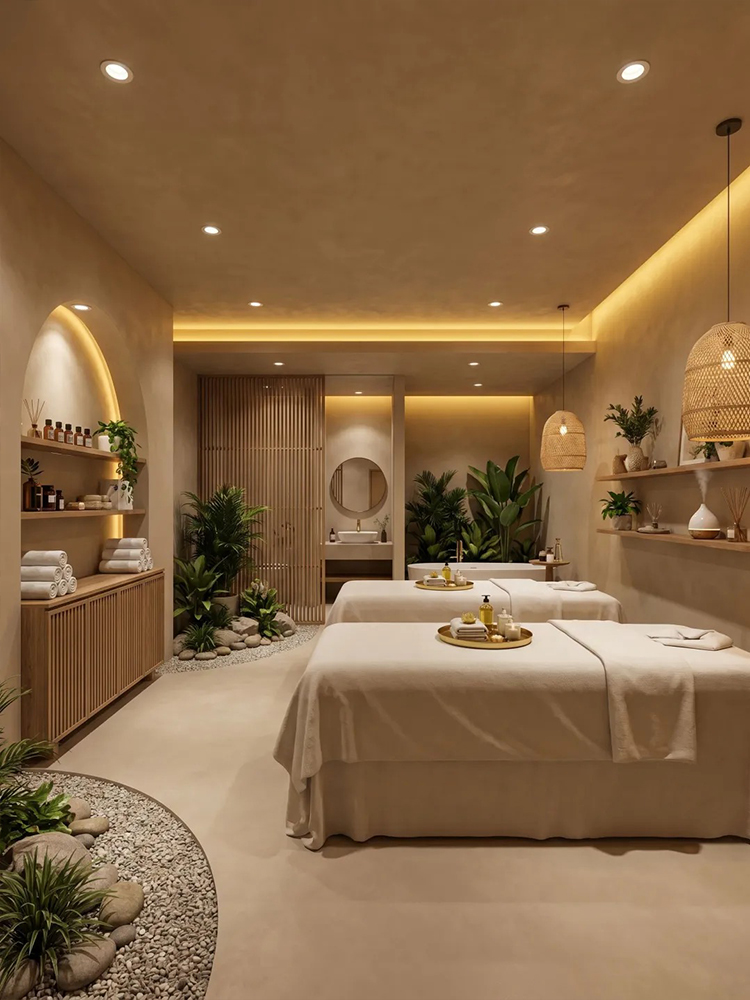
One of the most common pain points in renovation projects is the need to remove old tiles or countertops before installing a new backsplash. This demolition work adds labor, disposal fees, and project delays. Microcement offers a revolutionary solution: it can be applied directly over existing ceramic tiles, glass, stone, or even painted drywall, provided the surface is clean and properly primed. Contractors working on kitchen remodels for residential developments or hotel room upgrades can significantly shorten project timelines—sometimes by several days—by skipping the demolition phase. This not only improves efficiency but also reduces disruption for end-users, making microcement an ideal choice for hospitality renovations where room downtime directly impacts revenue.
3. Ultra-Thin Application for Space Optimization
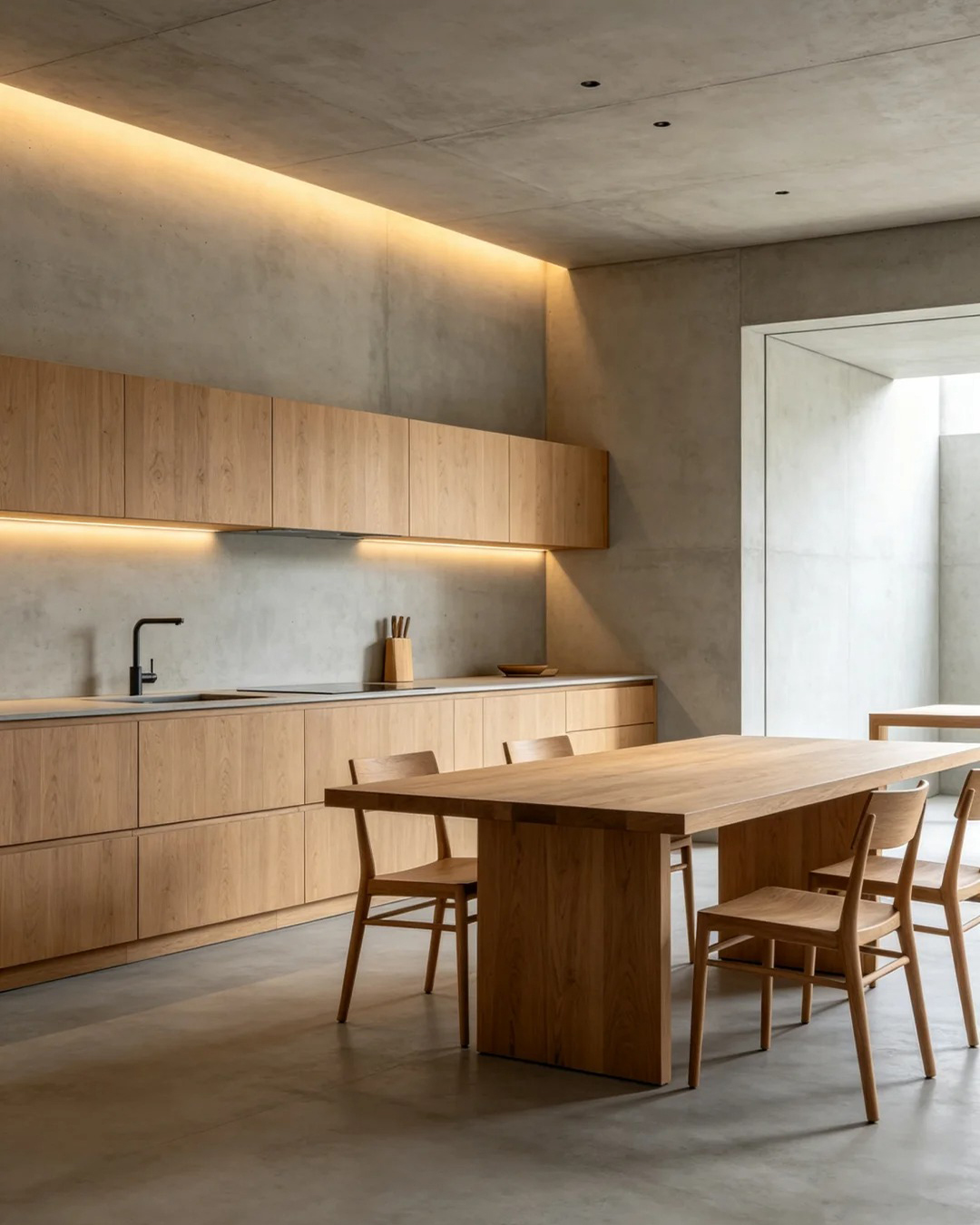
A microcement backsplash typically measures only 2–3 mm in thickness. This thin profile does not interfere with existing cabinetry, window frames, or electrical outlets. For designers working on compact urban kitchens or retrofitting older buildings with limited clearance, this feature is invaluable. Unlike tile, which adds 8–10 mm or more, microcement allows for flush transitions between the backsplash and adjacent surfaces, creating a cohesive, minimalist look that is highly sought after in contemporary design. Additionally, the thin layer simplifies installation in tight spaces—such as behind a sink or stove—where tile cutting and fitting would be labor-intensive.
4. Full Customization for Brand and Design Identity
From a design perspective, a microcement backsplash offers unparalleled flexibility. Available in a wide range of colors, textures, and finishes—from smooth industrial gray to textured stone or velvet effects—it can be tailored to match any brand identity or aesthetic vision. For commercial brands seeking a unique, signature look across multiple locations, microcement provides consistent color and texture without the color variations or pattern repeats associated with natural stone or manufactured tiles. Interior designers can also integrate logos, geometric patterns, or gradient effects directly into the surface using stenciling or hand-troweling techniques, enabling truly bespoke installations that differentiate a space in a competitive market.
5. Waterproofing and Long-Term Durability
Kitchen backsplashes are exposed to constant moisture, heat, and occasional impact. Microcement, when properly sealed, forms a waterproof barrier that protects the underlying substrate from water damage. Its high compressive strength and scratch resistance make it suitable for high-traffic areas behind stoves, sinks, and food preparation stations. For real estate developers specifying materials for multi-unit residential projects, the long-term durability of a microcement backsplash reduces warranty claims and post-occupancy maintenance costs. This is especially relevant in regions with high humidity or where tenants frequently cook with oil-based ingredients.
Comparison Module: Microcement Backsplash vs. Traditional Tile Backsplash
To help distributors, contractors, and designers make an informed choice, the following table summarizes the key differences between microcement and ceramic tile for backsplash applications:
This comparison highlights that microcement is not simply a trend but a functional upgrade for projects where speed, hygiene, and design flexibility are prioritized. While tile remains a cost-effective option for simple backsplashes, microcement delivers superior performance in demanding environments.
Content Summary: Key Takeaways for Industry Professionals
For Contractors: Microcement backsplash installation is faster and less labor-intensive than tile, especially when applied over existing surfaces. This reduces project timelines and labor costs, directly improving profit margins.
For Interior Designers: The seamless finish and complete color/texture customization unlock creative possibilities that tiles cannot match, allowing for truly integrated kitchen designs.
For Distributors and Developers: Microcement offers a premium, low-maintenance solution that appeals to high-end residential and commercial clients. Its waterproof and durable properties reduce long-term liability and enhance property value.
For Kitchen and Hotel Renovation Projects: Skipping demolition and the ability to apply over existing tiles makes microcement ideal for fast-track renovations where downtime is costly.
When selecting a microcement system for backsplash applications, ensure the product includes a proven waterproof base coat, a high-performance sealer, and compatibility with the specific substrate. Always request a sample and test adhesion on a small area before full-scale application.
Why Choose Us
At THE AIKE Paint, we understand that a microcement backsplash must deliver on both aesthetics and performance—especially in demanding kitchen and commercial environments. Our Microcement System is specifically engineered for seamless backsplash applications, offering superior adhesion directly over tiles, cement board, or drywall without the need for demolition. With a 2–3 mm ultra-thin finish and a complete waterproof sealing solution, our system ensures long-lasting resistance to moisture, grease, and daily wear. We support your project with full-process technical guidance, from surface preparation to final sealing, empowering contractors, designers, and developers to achieve consistent, high-quality results. As a globally trusted manufacturer with 20+ years of coatings expertise, we provide competitive pricing, complete export documentation, and certifications that meet international green building standards.
Contact us today for a free product sample and a customized coating solution for your next backsplash project.
“ Contact AIKE Team ”
__________
在线留言
Name*
E-mail*
Country*
Application Areas*
Tel / WhatsApp
Requirement
Business Supervisor:Mr. Bin Zhu


Social media account


