
Microcement Bathroom Kit: Waterproof Solution for Tile Overcoating
Transform Your Bathroom Without Tearing Out Old Tiles
Bathroom renovation is one of the most costly and disruptive home improvement projects. Contractors and property developers have long accepted that replacing old tiles means breaking concrete, hauling away debris, and waiting weeks for new installations to cure. A growing number of renovation specialists are choosing a different path — microcement bathroom kits that go directly over existing tile surfaces, delivering a seamless, waterproof finish in days instead of weeks.
Understanding the Microcement Bathroom Kit
A microcement bathroom kit is a complete system designed specifically for applying ultra-thin cement-based coatings over existing bathroom surfaces. Unlike traditional tile replacement, these kits allow contractors to transform worn, dated, or cracked tiles into a smooth, modern finish without demolition. The system typically includes a primer, base coat, topcoat, and waterproofing additives — all formulated to bond directly to ceramic, porcelain, and natural stone substrates.
The core advantage for contractors lies in the installation speed and reduced labor cost. Where a full tile replacement might take two to three weeks including cleanup, a microcement bathroom kit can be applied in as little as three to five days, depending on project size. This timeline translates directly into higher profit margins and faster project turnover for contractors managing multiple sites.
For property developers and interior designers, the appeal extends beyond convenience. Microcement delivers a seamless, joint-free surface that eliminates grout lines — a persistent cleaning challenge in high-moisture environments. The finish also supports a wide range of aesthetics, from light Scandinavian tones to dark industrial finishes, giving designers creative flexibility without the constraints of standard tile sizes and patterns.
Key Components of a Quality Microcement Bathroom Kit
Not all microcement products perform equally in bathroom environments. Bathrooms present unique challenges: constant moisture exposure, temperature fluctuations, and frequent contact with cleaning chemicals. A suitable microcement bathroom kit must address each of these factors through its formulation.
Primer and Adhesion Layer
The first layer in any successful microcement bathroom application is the primer. This component penetrates the existing tile surface and creates a mechanical bond between the substrate and the microcement coat. Quality primers for bathroom use contain acrylic resins and bonding agents specifically engineered to adhere to non-porous surfaces like glazed ceramic and porcelain. Without proper priming, microcement coatings delaminate within months, leading to expensive callbacks and reputational damage for contractors.
Waterproof Base Coat
The base coat forms the structural layer of the system. It is typically 2 to 3 millimeters thick and contains polymer-modified cementitious binders that provide both strength and flexibility. The flexibility component is critical in bathrooms, where thermal expansion and contraction from hot showers and cold water can cause rigid coatings to crack. A well-formulated base coat absorbs these movements without developing fissures.
Sealing and Waterproofing Topcoat
The final layer is where waterproofing performance is determined. Premium microcement bathroom kits include an integrated waterproofing topcoat or require a separate sealant application. This topcoat forms a hydrophobic barrier that prevents water penetration while maintaining breathability — allowing trapped moisture within the substrate to escape rather than accumulate behind the coating. Some systems incorporate additional waterproofing membranes beneath the microcement for showers and tub surrounds, providing a redundant layer of protection.
Surface Texture and Finish Options
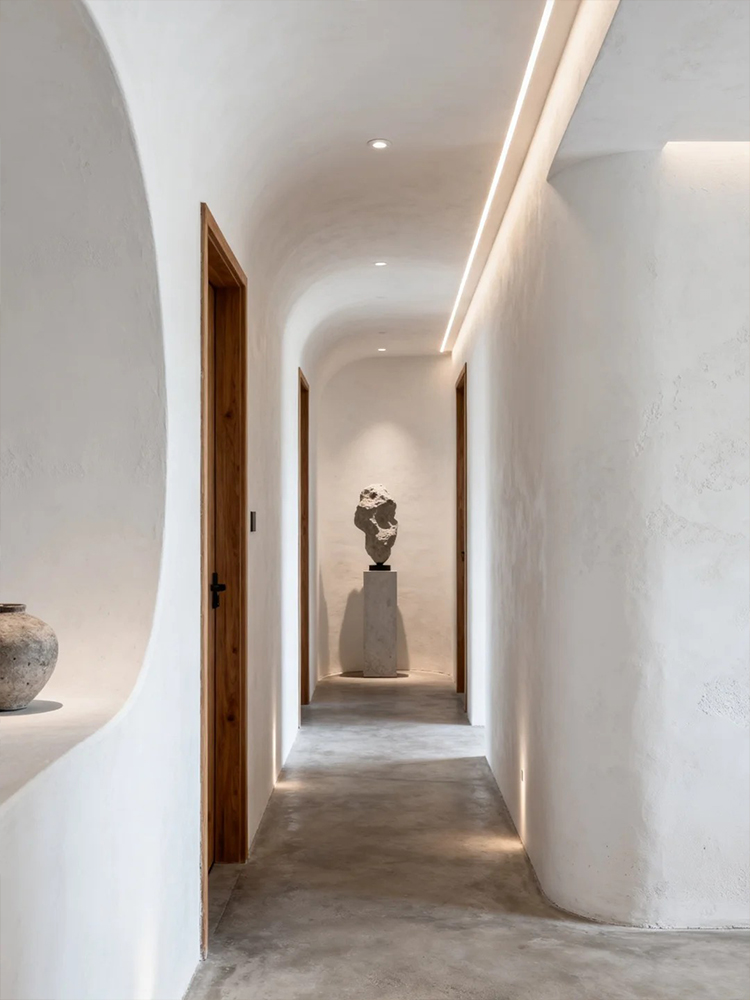
Microcement bathroom kits are available in various finish textures, from smooth and matte to lightly textured and silk-like. The choice of finish affects both aesthetics and practical performance. Smooth finishes are easier to clean and resist soap scum buildup, making them ideal for high-traffic family bathrooms. Textured finishes add visual depth but may require more frequent cleaning in wet areas.
Application Process: From Preparation to Final Seal
Successful microcement bathroom application follows a precise sequence that contractors cannot shortcut without risking performance failure.
Surface Preparation
Existing tiles must be thoroughly cleaned to remove soap residue, mineral deposits, and any existing sealants. Light sanding of glossy tile surfaces improves primer adhesion. Cracked or loose tiles should be repaired before application — microcement is not a structural repair material and will telegraph underlying substrate defects through the finished surface.
Primer Application
The primer is applied using rollers or sprayers, with emphasis on achieving uniform coverage across all surfaces. Edges, corners,and transitions around fixtures require additional attention, as these are the most vulnerable points for moisture ingress. Drying time typically ranges from four to eight hours depending on ambient temperature and humidity conditions.
Base Coat Application
The base coat is applied in two thin layers rather than one thick layer, allowing each coat to cure properly. This approach minimizes shrinkage cracking and ensures even color and texture across the surface. Each layer requires adequate drying time — usually twelve to twenty-four hours — before the next coat is applied. Rushing this step is one of the most common causes of premature coating failure.
Topcoat and Sealing
The final topcoat or sealant is applied after the base coat has fully cured. Multiple thin coats are preferable to a single thick application, as they produce a more uniform and durable finish. The complete system, from primer to final seal, typically requires five to seven days to reach full cure, though the surface can be lightly used after forty-eight hours.
Comparison: Microcement Bathroom Kit vs. Traditional Tile Replacement
Why Contractors Choose Microcement for Bathroom Projects
Contractors working in the Middle East and Southeast Asia markets have found microcement bathroom kits particularly valuable for renovation projects in hotels, residential complexes, and commercial properties. The ability to apply microcement directly over existing tile eliminates the noise, dust, and disruption associated with tile removal — factors that are critical when working in occupied buildings or properties that must remain operational during renovation.
The ultra-thin profile of microcement — typically 2 to 3 millimeters — also addresses spatial constraints in older bathrooms where door clearance and fixture alignment are tight. Adding new tile thickness often requires adjusting door frames, shower enclosures, and vanity units, adding cost and complexity that contractors and clients prefer to avoid.

For contractors managing multiple projects simultaneously, the simplified application process reduces dependency on highly skilled labor. While precision is still required, microcement application does not demand the same level of craftsmanship as tile setting. This accessibility allows contractors to scale their teams more quickly and maintain consistent quality across projects.
Choosing the Right Microcement Bathroom Kit: What to Look For
When sourcing microcement bathroom kits for your projects, several factors determine whether a product will perform reliably in real-world bathroom conditions.
Waterproof Performance Certification
Verify that the product carries recognized waterproofing certifications for wet areas. Certifications such as ASTM standards or European EN norms provide objective evidence of water resistance performance. Products claiming waterproof properties without third-party testing should be treated with skepticism.
Adhesion Strength Specifications
Check the technical data sheet for adhesion strength values measured in megapascals (MPa). Quality microcement products for bathroom use typically demonstrate adhesion strengths above 1.5 MPa on ceramic tile substrates. Lower values indicate a higher risk of delamination in humid environments.
VOC Compliance
Indoor air quality is a growing concern for property developers and homeowners alike. Select microcement bathroom kits with low or zero volatile organic compound (VOC) content, verified through international environmental standards such as GREENGUARD or similar certifications. This is especially important for bathrooms in hotels, healthcare facilities, and residential units with limited ventilation.
Color and Texture Consistency
Batch-to-batch color variation can ruin a project when restocking is necessary. Reputable manufacturers maintain tight color consistency controls and offer batch numbering systems that allow contractors to match future orders precisely. Request sample batches before committing to large orders.
Technical Support Availability
Microcement application requires specific techniques that differ from conventional painting or plastering. Choose suppliers that provide comprehensive technical documentation, video tutorials, and direct expert support. The availability of on-site guidance during initial projects significantly reduces application errors and material waste.
Cost Efficiency Without Compromising Quality
The economics of microcement bathroom kits favor contractors who understand the full cost picture. While the per-square-meter material cost may appear comparable to mid-range tiles, the elimination of demolition, disposal, and extended labor costs produces a significantly lower total project cost. For contractors billing by the project rather than by the hour, shorter timelines also mean faster payment cycles and improved cash flow.
For distributors and dealers, microcement bathroom kits represent a high-margin product category. The specialized nature of the product limits direct consumer purchasing, creating a channel-dependent market where knowledgeable suppliers can command premium pricing. The growing demand for renovation solutions over new construction in mature markets further strengthens the distribution opportunity.
Common Mistakes to Avoid
Even experienced contractors encounter problems when applying microcement in bathrooms without adequate preparation or technique adjustment. Understanding these pitfalls helps ensure project success.
Applying microcement over unstable or actively leaking substrates is the most critical error. Microcement seals the surface but cannot stop water damage originating from behind it. Any existing plumbing leaks or substrate moisture issues must be resolved before application begins.
Using insufficient primer or skipping the bonding layer entirely compromises the entire system. The primer is not an optional step — it is the foundation that determines whether the coating adheres for years or peels within months.
Applying coats too thickly in an attempt to speed up the process creates shrinkage cracks and uneven surfaces. Thin, layered application is always superior to thick, rushed coats.
Neglecting curing time between layers may seem efficient but results in weakened adhesion and premature failure. Respect the manufacturer's specified drying intervals, adjusting for local temperature and humidity conditions.
The Future of Bathroom Renovation
The bathroom renovation market is shifting toward solutions that minimize disruption, reduce waste, and deliver contemporary aesthetics at competitive prices. Microcement bathroom kits align with all three trends, making them a strategically sound product category for distributors, contractors, and designers who want to capture growing demand.
As environmental regulations tighten and demolition waste disposal becomes more costly, the value proposition of overlay solutions like microcement will only strengthen. Property owners and facility managers are increasingly prioritizing renovation over replacement, recognizing that modern coating technologies can restore surfaces to like-new condition without the environmental and financial costs of full demolition.
For contractors, mastering microcement bathroom application represents a differentiating skill that commands higher project fees and builds repeat business. For distributors, offering a complete microcement bathroom kit with professional technical support creates a loyal customer base that returns for every renovation cycle. For designers, the material unlocks creative possibilities that standard tiles simply cannot match.
The microcement bathroom kit is not a temporary trend — it is a fundamental shift in how bathrooms are renovated and maintained. Contractors and suppliers who invest in the knowledge and inventory now will be positioned to capture significant market share as demand continues to accelerate.
Why Choose Us
THE AIKE offers a complete microcement bathroom kit system specifically engineered for the demands of wet environments. Our waterproof microcement formulations combine superior adhesion, flexible crack resistance, and integrated moisture barriers — delivering a finish that withstands years of shower use, steam exposure, and daily cleaning without degradation.
Our technical team provides full application guidance tailored to your project conditions, ensuring correct primer selection, coating thickness, and curing protocols for every substrate type. Whether you are renovating a single residential bathroom or fitting out a commercial hotel complex, our microcement bathroom kits deliver consistent, professional results with streamlined supply and certified product documentation.
Request a free project quotation and full technical support now — transform your next bathroom renovation with a solution built for real-world performance.
“ Contact AIKE Team ”
__________
在线留言
Name*
E-mail*
Country*
Application Areas*
Tel / WhatsApp
Requirement
Business Supervisor:Mr. Bin Zhu


Social media account


