
Light Grey Microcement Sample & Kit: What Contractors Need to Know
When contractors bid on residential renovation or commercial interior projects, one detail often becomes a dealbreaker: how the finish looks and performs in the client's space. Specifying the wrong microcement can mean callback complaints, wasted material, or lost profit margins. This is exactly why requesting a microcement kit light grey sample before committing to bulk orders has become standard practice for experienced contractors, developers, and designers who know that on-site validation beats any brochure.
Why Light Grey Dominates Modern Specification Requests
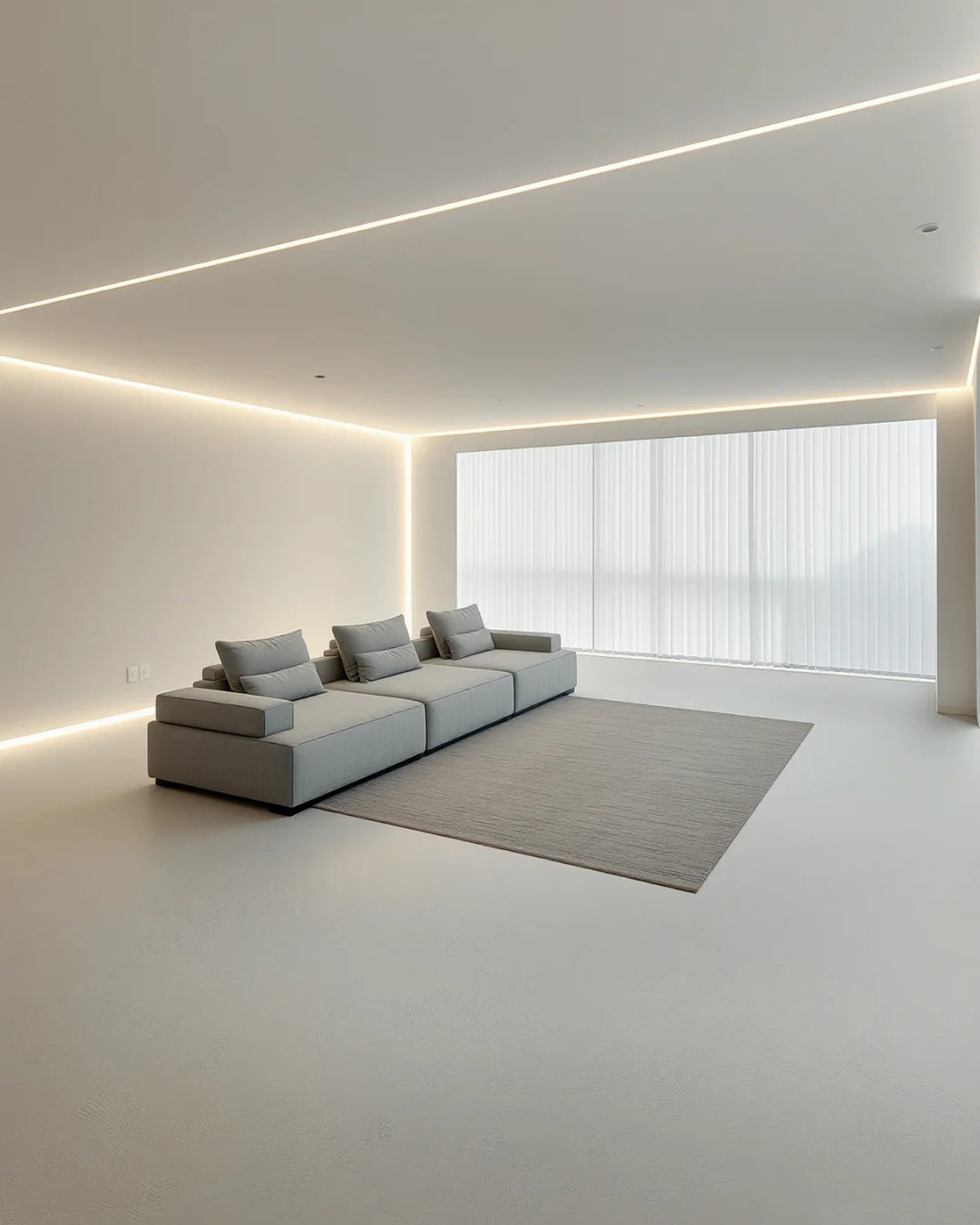
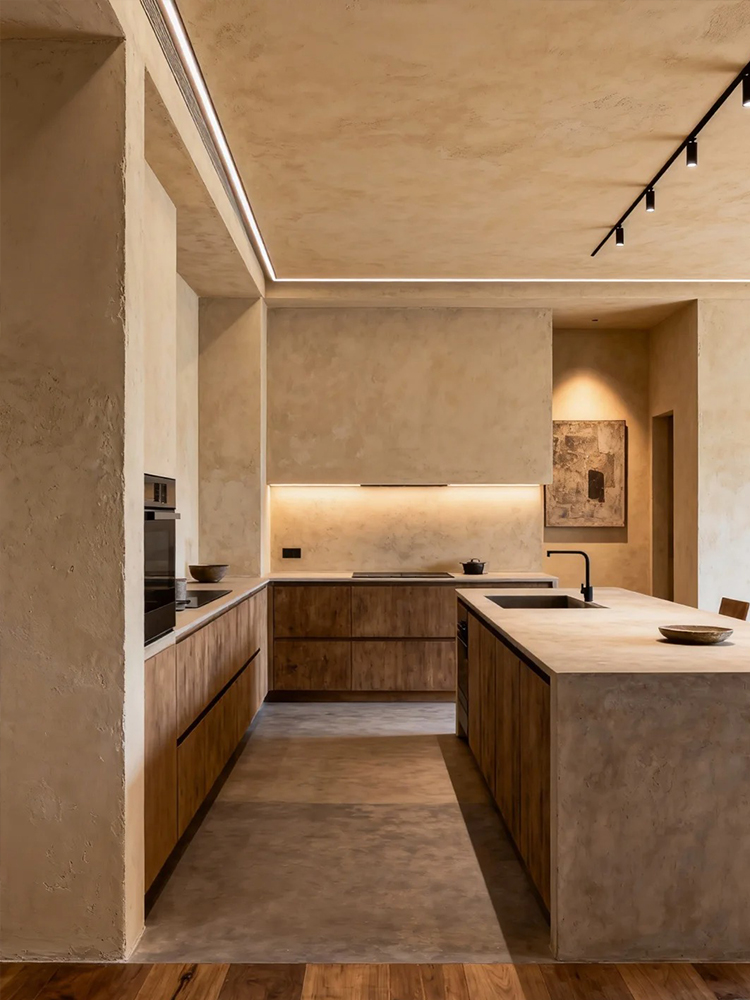
Light grey microcement sits at the intersection of two major market forces. First, minimalist and contemporary aesthetics have pushed neutral, low-saturation tones into high demand across Europe, the Middle East, and Southeast Asia. Second, light grey has practical advantages that darker shades simply cannot match in renovation scenarios. It reflects ambient light, making compact bathrooms and corridors feel larger. It hides minor surface imperfections better than bold colors during application. And it pairs seamlessly with warm wood tones, matte black fixtures, and white cabinetry — combinations that appear in nearly every contemporary residential and boutique hotel project.
When contractors evaluate a light grey microcement product, they are not just selecting a color. They are evaluating a system that must meet waterproof requirements, adhere to existing substrates,resist abrasion in high-traffic areas, and maintain consistent batch-to-batch color stability. A physical sample transforms abstract specifications into tangible proof.
What a Proper Microcement Kit Reveals That Brochures Cannot
A microcement kit from a credible supplier is more than a small bucket of colored material. It is a complete mini system designed to replicate full-scale application conditions. For contractors reviewing a kit, three elements determine whether the product is worth scaling to project volume.
The base coat formulation reveals adhesion quality. Contractors place it on tile, existing paint, cement boards, and gypsum substrates to observe binding strength without removing the old layer. This directly impacts demolition cost savings during renovation work.
The top coat waterproof performance determines applicability. In bathroom and kitchen applications, contractors soak the cured sample and check for water penetration, swelling, or delamination over a forty-eight-hour period. A failing seal immediately disqualifies the product regardless of color appeal.
The trowel texture and finish depth confirm aesthetic alignment. Light grey appears dramatically different depending on application thickness and tool technique. A kit allows contractors to achieve the exact tooth pattern and matte-to-satin sheen that matches their designer client's mood board, rather than relying on a flat printed swatch.
Applying Microcement Over Existing Surfaces: The Renovation Reality
One of the strongest value propositions for contractors choosing between microcement and traditional tile replacement is substrate compatibility. Demolishing existing bathroom tiles or kitchen backsplashes generates disposal fees, structural disruption, and extended project timelines. A high-performance light grey microcement system applied at two to three millimeters thickness eliminates these costs entirely.
Contractors should test adhesion on the actual project substrate before purchasing bulk material. Porcelain tiles with glossy glazes require proper mechanical abrasion and a dedicated bonding primer. Smooth concrete slabs may accept direct application. The sample kit process teaches contractors which preparation steps are mandatory for their specific substrate type. Skipping this evaluation phase leads to delamination failures that cost far more than sample testing would have.
Sample Evaluation Checklist for B2B Buyers
This checklist gives contractors and procurement teams a replicable evaluation method that reduces ordering risk and ensures vendor accountability.
Designers, Developers, and Distributors: How Sample-First Procurement Adds Value
Interior designers benefit from sample kits because they can validate texture depth, color warmth, and light interaction before issuing final procurement specifications. When a designer presents a microcement kit light grey sample to a client during the design review stage, the tactile experience closes deals faster than digital renderings alone. Clients touch the surface, feel the finish, and commit with confidence.
Real estate developers use sample evaluation to balance cost control against durability requirements. A light grey microcement system that passes waterproof and abrasion testing reduces post-handover warranty claims. For hotel and residential projects where room turnover directly affects revenue, extending the coating service life translates into measurable financial returns.
Distributors carrying microcement products rely on sample kits to support their local contractor networks. Providing ready-to-test kits reduces friction in the sales cycle. Contractors trust suppliers who invite verification rather than demanding blind purchase commitments.
How to Source a Reliable Microcement Sample Kit

Not all sample offerings provide equal value. Contractors should verify that the supplier includes the complete application system — primer, base coat, top coat, and sealer — even in sample quantities. Partial kits that exclude critical layers produce misleading performance data. Additionally, suppliers offering technical consultation alongside sample delivery demonstrate confidence in their product and commitment to long-term partnership. Requesting application guidelines tailored to your climate zone and substrate conditions ensures the sample results will replicate accurately at full scale.
Summary
Ordering a microcement kit light grey sample is not an optional luxury for professional contractors. It is a risk-mitigation step that protects project profitability, ensures design fidelity, and validates performance before bulk procurement. The light grey tone dominates contemporary specification because it combines aesthetic flexibility with practical application advantages. A complete kit allows contractors to test adhesion, waterproofing, texture, and color consistency on actual project substrates. Using a structured evaluation checklist further reduces uncertainty. Designers, developers, and distributors all gain from a sample-first purchasing approach that prioritizes verification over assumption.
Why Choose Us
THE AIKE provides complete microcement kit light grey sample packages designed for professional evaluation. Our samples include the full application system — primer, base coat, and sealing top coat — so contractors can verify real-world performance on their actual substrates before committing to bulk orders. Each sample batch is produced under strict quality control to ensure color consistency and waterproof integrity match full-scale production. Our expert team offers technical guidance for substrate preparation, application thickness, and curing conditions tailored to your project climate. Whether you are a contractor managing a boutique hotel renovation, a designer specifying seamless finishes for residential interiors, or a distributor expanding your microcement product line, our samples give you the confidence to proceed.
Request a free project quotation and full technical support now.
“ Contact AIKE Team ”
__________
在线留言
Name*
E-mail*
Country*
Application Areas*
Tel / WhatsApp
Requirement
Business Supervisor:Mr. Bin Zhu


Social media account


